New Patients
Existing Patients

New Patients
Existing Patients


Emergency dental care treats sudden problems like a severe toothache, a knocked-out or broken tooth, a lost crown, or facial swelling that need prompt attention to relieve pain and save the tooth. Joanna Tricorache, DDS sees adults and children in Staten Island and Lower Manhattan, setting aside time for urgent cases, often on the day patients call.
A dental emergency can turn an ordinary day upside down. One moment you are biting into a sandwich on your lunch break near the Staten Island Mall, and the next you feel a sharp crack and a pain that will not go away. Or your child takes an elbow to the mouth during a weekend game at Clove Lakes Park and comes off the field holding a tooth. In moments like these, most people have the same questions. How serious is this? Who can see me today? What should I do right now?
At Joanna Tricorache, DDS, we provide emergency dental treatment for adults and children throughout Staten Island and Lower Manhattan. Dr. Joanna Tricorache earned her dental degree from Carol Davila University of Dentistry in Bucharest, then earned her DDS at the NYU College of Dentistry and completed her residency at Bellevue Hospital in Manhattan. Hospital-based training gave her firsthand experience with urgent and complex cases, and that background shapes how we handle emergencies today: calmly, carefully, and with a clear plan.
This page explains what counts as a dental emergency, what to do before you reach our office, what happens during an emergency visit, and how we help you recover and rebuild your smile afterward. Our goal is to give you useful information you can act on, whether you are reading this in pain right now or preparing for the day you might need it.
What Counts as a Dental Emergency
A dental emergency is any problem with your teeth, gums, or jaw that needs prompt professional care to relieve significant pain, stop bleeding, control an infection, or save a tooth. The American Dental Association groups emergencies into situations that are potentially serious and situations that are urgent but not life threatening. Most of the cases we see in our office fall into the second group. They are painful and worrying, but they can be managed well when patients get care quickly.
Common dental emergencies include a severe or throbbing toothache, a tooth that has been knocked out or pushed out of position, a cracked or broken tooth, a lost or loose crown, a broken filling, a painful swelling in the gums or face, and bleeding that continues after an extraction. A dental abscess is one of the more serious emergencies because it is a pocket of infection that will not resolve on its own. Signs of an abscess can include a pimple-like bump on the gums, a bad taste in the mouth, swelling, sensitivity to pressure, and sometimes fever.
Urgent Problems Versus Issues That Can Wait a Day or Two
Not every dental problem needs same-day care, and knowing the difference helps you decide how quickly to call. A small chip on a front tooth with no pain, a slightly rough edge on a filling, or mild sensitivity to cold usually can wait for a scheduled appointment within a few days. On the other hand, pain that keeps you awake at night, pain that does not respond to over-the-counter medicine, visible swelling, or a tooth that has been knocked out should be treated as urgent.
A useful rule of thumb is that pain, swelling, bleeding, and trauma all point toward calling us right away. If you are unsure, call our office and describe what is happening. Our team can help you sort out how urgent your situation is and tell you what to do until you can be seen.
When a Hospital Emergency Room Is the Right Call
Some situations go beyond what a dental office can safely handle. If you have trouble breathing or swallowing, swelling that is spreading toward your eye or down your neck, a high fever with facial swelling, a possible broken jaw, or bleeding that will not stop with firm pressure, call 911 or go to the nearest hospital emergency department. On Staten Island, that may mean Richmond University Medical Center in West Brighton or Staten Island University Hospital. These symptoms can signal a serious infection or injury that needs medical care first. Once you are stable, our team can take over the dental side of your treatment and plan the follow-up care you need.
What to Do Before You Reach Our Office
The first few minutes after a dental injury can make a real difference in the outcome, especially when a tooth has been knocked out. Here are steps that follow guidance from the American Dental Association and the American Association of Endodontists:
Over-the-counter pain relievers can help with discomfort when taken as directed on the label, but they only mask the problem. Pain that fades does not mean an infection has gone away, so it is still important to be examined.
What Happens During an Emergency Visit at Our Staten Island Office
When you call our office with an urgent problem, we start by asking about your symptoms: where the pain is, when it started, whether there is swelling, and whether an injury was involved. This helps us prepare for your visit and decide how quickly you need to be seen. We set aside time in our schedule for urgent cases so that we can see patients in pain as soon as possible, often on the same day they call.
When you arrive, our first priority is to understand what is causing the problem and to get your pain under control. Dr. Tricorache will examine the area, ask a few questions, and take any images needed to see what is happening below the surface. We then explain what we found in plain language, walk you through your treatment options, and answer your questions before we begin. Even in an emergency, you should understand what we are doing and why.
In many cases, we can treat the problem at that same visit. Sometimes the best approach is to stabilize the tooth first, relieve the pain, and schedule a follow-up appointment for the final restoration once the area has calmed down. For example, a tooth with a deep infection may need root canal treatment started right away, followed by a crown at a later visit to protect it for the long term.
Diagnostic Technology That Helps Us Find the Cause Quickly
Tooth pain can be tricky to pinpoint. Pain from an upper back tooth can feel like it is coming from a lower tooth, and a crack in a tooth may not be visible to the naked eye. We use digital radiography to see decay, infection, fractures, and bone around the roots, with less radiation than traditional film X-rays and images that appear on screen within seconds. Our intraoral camera lets us capture close-up images inside your mouth so we can show you exactly what we see, whether it is a fracture line, a broken filling, or inflamed gum tissue. When a tooth needs a crown or other restoration, digital impressions allow us to take precise measurements without the messy impression trays many patients dislike.
Emergency and Restorative Services We Offer
Emergency treatment is rarely a single procedure. Relieving pain is the first step, and restoring the health and function of the tooth is the second. Because we offer a full range of general, restorative, periodontal, and implant care in our office, we can handle both steps for most patients without sending them elsewhere. Services that often play a role in emergency care include:
If a tooth must be removed during an emergency visit, we will talk with you about replacement options before you leave. Leaving a gap untreated can allow neighboring teeth to shift and the jawbone in that area to shrink over time. Our team can help you compare a bridge, a denture, or a dental implant based on your health, your budget, and what matters most to you. For patients missing many teeth, we also offer All-on-4® and All-on-6® implant solutions and full mouth reconstruction.
Protecting Children and Young Athletes in Staten Island
Staten Island is a borough of active families. Between Little League games, CYO basketball, soccer at Willowbrook Park, and pickup games in neighborhood schoolyards, mouth injuries are a common reason parents call us. Children also tend to fall while learning to walk, riding bikes, or playing on playground equipment, and a fall can chip, loosen, or knock out a tooth.
We provide pediatric dentistry for children of all ages, which means we can treat both baby teeth and newly erupted adult teeth after an injury. When a child injures a tooth, we check not only the tooth itself but the surrounding bone and gum tissue, and in some cases we will want to monitor the tooth over the following weeks to make sure it stays healthy. Baby teeth matter more than many parents realize. They hold space for the adult teeth and help children chew and speak properly, so even an injury to a baby tooth deserves a professional look.
Prevention is especially valuable here. A custom sports mouthguard fits more comfortably and stays in place better than a store-bought version, which makes kids more likely to actually wear it. If your child plays contact sports, ask us about one at their next visit.
Gum Infections and Periodontal Emergencies
Not every dental emergency involves a tooth. A periodontal abscess forms in the gum tissue and can cause sudden swelling, tenderness, and pain, often around a tooth affected by gum disease. Food trapped deep below the gumline, such as a popcorn hull, can also trigger painful inflammation.
Our team includes Dr. Mehrnaz Golmakani, a periodontist and Diplomate of the American Board of Periodontology. Having a board-certified gum specialist as part of our practice means patients with serious gum infections or advanced periodontitis can get specialized care from a team that already knows their history. Treatment may include deep cleaning, draining the infection, laser therapy, or surgical procedures such as pocket elimination surgery, soft tissue grafts, or regenerative procedures that help rebuild support around the teeth.
Preventing the Next Dental Emergency
Many dental emergencies start as small problems that grew over time. A cavity that went untreated becomes an infection. A tooth weakened by a large old filling eventually cracks. Nightly grinding slowly wears down enamel until a tooth breaks. Routine care catches these issues early, when treatment is simpler, more comfortable, and less expensive.
Regular dental cleanings and oral exams allow us to spot decay, worn fillings, and early gum disease before they cause pain. If you grind or clench your teeth, which is common during stressful seasons and long commutes over the Verrazzano or Goethals Bridge, a custom night guard can protect your teeth while you sleep. If you notice jaw pain, clicking, or frequent headaches, our TMJ disorder care may help. Fluoride treatment and dental sealants offer extra protection for children and adults prone to cavities.
Simple habits help too. Avoid chewing ice, hard candy, and unpopped popcorn kernels. Never use your teeth to open packages or bottles. And if a tooth starts to feel sensitive or sore, call us before it turns into an emergency.
Serving Staten Island and Lower Manhattan
Our Staten Island office is located at 306 Manor Road in the Castleton Corners area, a central spot that is easy to reach from much of the borough. Patients come to us from Westerleigh, Sunnyside, West Brighton, Port Richmond, Graniteville, Bulls Head, Willowbrook, Meiers Corners, Todt Hill, and New Springville. For many families on the North Shore and Mid-Island, we are a short drive along Victory Boulevard or a quick exit off the Staten Island Expressway, which matters when you are in pain and do not want a long trip.
We also see patients at our Manhattan office at 31 Washington Square West, overlooking Washington Square Park in Greenwich Village. This location is convenient for Staten Islanders who commute into the city by ferry and for residents and workers around NYU, the West Village, SoHo, and the Flatiron area. Our Staten Island office generally sees patients on Monday, Wednesday, and Friday, and our Manhattan office generally sees patients on Tuesday and Thursday. Because schedules can change, we always recommend calling to confirm availability for your emergency.
Dr. Tricorache opened her first practice in Manhattan and later expanded to Staten Island. Over the years, many of our patients have stayed with us for routine care after first coming in for an emergency. We are proud to be the practice families across the borough call when something goes wrong.
Get Relief Sooner Rather Than Later
Dental pain rarely improves on its own, and waiting often turns a manageable problem into a bigger one. Whether you are dealing with a toothache, a broken tooth, a lost crown, or swelling that worries you, calling early gives you the best chance of a simple fix and a saved tooth. Our team at Joanna Tricorache, DDS will listen to what you are going through, guide you through the next steps, and treat you with patience and respect from the moment you call. If you are in Staten Island or Lower Manhattan and need emergency dental care, call our office and let us help you feel like yourself again.



Pain is your body's way of signaling that something is not quite right and though there are many reasons for oral pain, one of the most common complaints and reasons for seeking urgent dental care is a toothache. Whether you simply need a dental filling, a crown, or require a root canal procedure to save your tooth, we'll alleviate your discomfort and restore the look and function of the involved tooth.
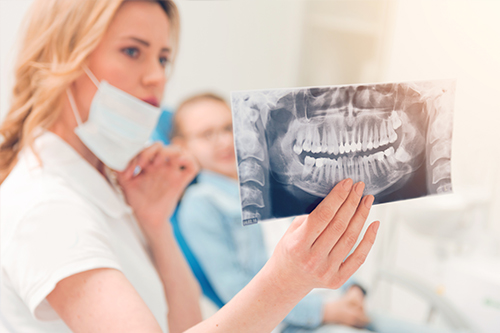
Dental trauma can result in a defect as minor as a small chip in tooth enamel to a more extensive and painful crack or fracture. With sufficient force, a tooth can even be displaced or completely knocked out of its socket. With prompt emergency care, many injured teeth can be restored and saved.
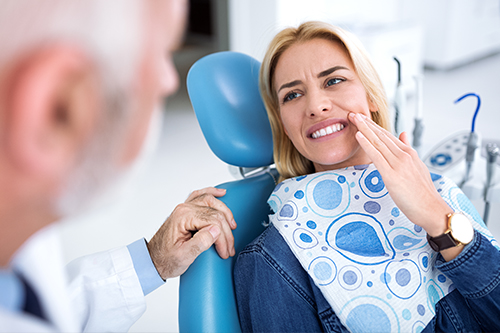
The last teeth in your mouth to develop, wisdom teeth often do not have enough room to fully erupt or may be positioned in the wrong direction. These issues can affect your dental health as well as overall well-being. Our office provides skilled care to address the complications caused by problematic wisdom teeth.
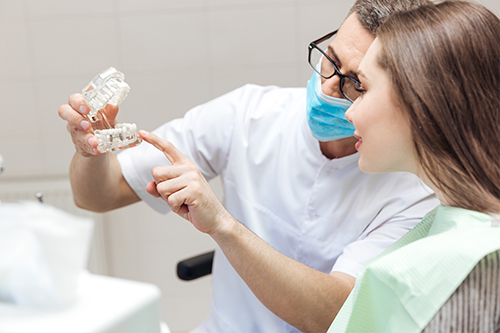
A broken or lost dental prosthesis or restoration can cause embarrassing gaps in your smile as well as compromise your ability to eat and speak with ease. If you've lost or broken a dental filling, denture, crown, or other dental appliance, you can rely on our office to perform a prompt repair or provide a durable and cosmetically pleasing replacement as quickly as possible.
At the office of Joanna Tricorache, DDS, emergency appointments are always available. Of course, in addition to providing top treatment for dental emergencies, we also welcome patients searching for high quality and affordable care. We offer a complete range of the latest and best cosmetic and dental services for every member of your family.
If you are suffering from a toothache or have sustained a dental injury, it is important to visit the dentist as soon as possible before more serious complications arise. Whether your dental emergency is painful, if it affects the appearance of your smile, or if you suspect that an infection is present, our office will make every effort to see you as promptly as possible for care.
At the office of Joanna Tricorache, DDS, we treat your dental emergency as our top priority. Our caring team will respond to your emergency call right away, making sure you get the gentle, state-of-the-art care you need without delay.
As your trusted emergency dentist in Staten IslandNew York, we provide the highest quality of care to mitigate the stress, anxiety, and discomfort of dental problems. Our dedicated team will help you start feeling better as soon as we receive your emergency call.
At the office of Joanna Tricorache, DDS, we provide skilled and experienced care to effectively resolve a broad range of dental emergencies, restoring a patient's oral health while protecting their overall wellbeing.
However, even so, specific dental emergencies pose significant threats to one's health. These situations require immediate, emergency room care. Serious and potentially life-threatening dental emergencies include significant oral and facial trauma such as jaw fractures, deep wounds or lacerations to the face and mouth, an abscess or infection that causes widespread facial or submandibular swelling, or affects breathing and swallowing.
At the office of Joanna Tricorache, DDS, we provide prompt, skilled, and experienced care to address dental emergencies. We understand that finances are always a concern and do our best to provide options in care that are both affordable and respect your budget.
Once we've had the opportunity to examine your smile, we can give you a clear picture of any existing dental issues, along with a quote for what the cost of treatment will be. The cost of care all depends upon the extent and complexity of issues affecting the health or appearance of your smile and the types of procedures that are required.
To help alleviate any additional stress or delay, you can count on our staff to work with you to optimize coverage for your dental care and to minimize your out-of-pocket expenses. For patients without insurance, we strive to make things easier as well! We invite you to visit our financial information page or speak to an expert in our business office.
Dental emergencies are often painful and debilitating experiences. For this reason it's important to have an emergency dentist in Staten IslandNew York, who welcomes patients with urgent dental needs while providing the prompt care required to restore oral health.
Here are just some of the reasons why so many patients choose our office for emergency dental care and to meet their family's dental needs:
We're dedicated to helping patients enjoy good oral health and beautiful smiles. We look forward to helping you keep your smile in tip-top condition. You can rest assured that our highly skilled office team will provide you the highest quality of state-of-the-art dental care and have you smiling again in no time!
To make an appointment or for more information on our office and the many state-of-the-art services we provide, give us a call today.
If a permanent tooth is knocked out, act quickly. Handle the tooth by the crown (not the root), gently rinse it with water if it’s dirty, and try to place it back into the socket without forcing it. If reinsertion isn’t possible, keep the tooth moist in milk or saliva and contact our office right away. Prompt care within the first 30 to 60 minutes significantly improves the chances of saving the tooth.
Pain isn’t the only sign of a dental emergency. Issues like cracked teeth, swollen gums, or minor bleeding may seem manageable but can escalate quickly if left untreated. Even if discomfort is minimal, it’s important to call our office for an evaluation. Delaying care may lead to more complicated procedures or irreversible damage.
Yes, dental emergencies frequently affect children, especially those who are active in sports or still learning proper oral hygiene habits. Falls, playground accidents, and biting into hard foods are common causes. We offer pediatric emergency dental services and can help you manage your child’s discomfort while preventing future incidents through education and protective strategies like mouthguards.
Dental infections that cause significant swelling, fever, difficulty swallowing, or the presence of pus are serious and require immediate care. These symptoms may indicate an abscess, which can spread quickly if left untreated. If you’re experiencing any of these signs, contact our office right away—timely treatment can prevent severe complications.
In many cases, yes. Emergency dental care often addresses the immediate problem, but follow-up visits are important to ensure complete healing and prevent recurrence. For example, a temporary crown placed during an emergency may need to be replaced with a permanent one, or a tooth treated for infection might require monitoring or a root canal. We’ll create a personalized plan to ensure your long-term oral health is fully restored.

Ready to schedule your next dental appointment or have questions about our services?
Contacting Joanna Tricorache, DDS is easy! Our friendly staff is available to assist you with scheduling appointments, answering inquiries about treatment options, and addressing any concerns you may have. Whether you prefer to give us a call, send us an email, or fill out our convenient online contact form, we're here to help. Don't wait to take the first step towards achieving the smile of your dreams – reach out to us today and discover the difference personalized dental care can make.